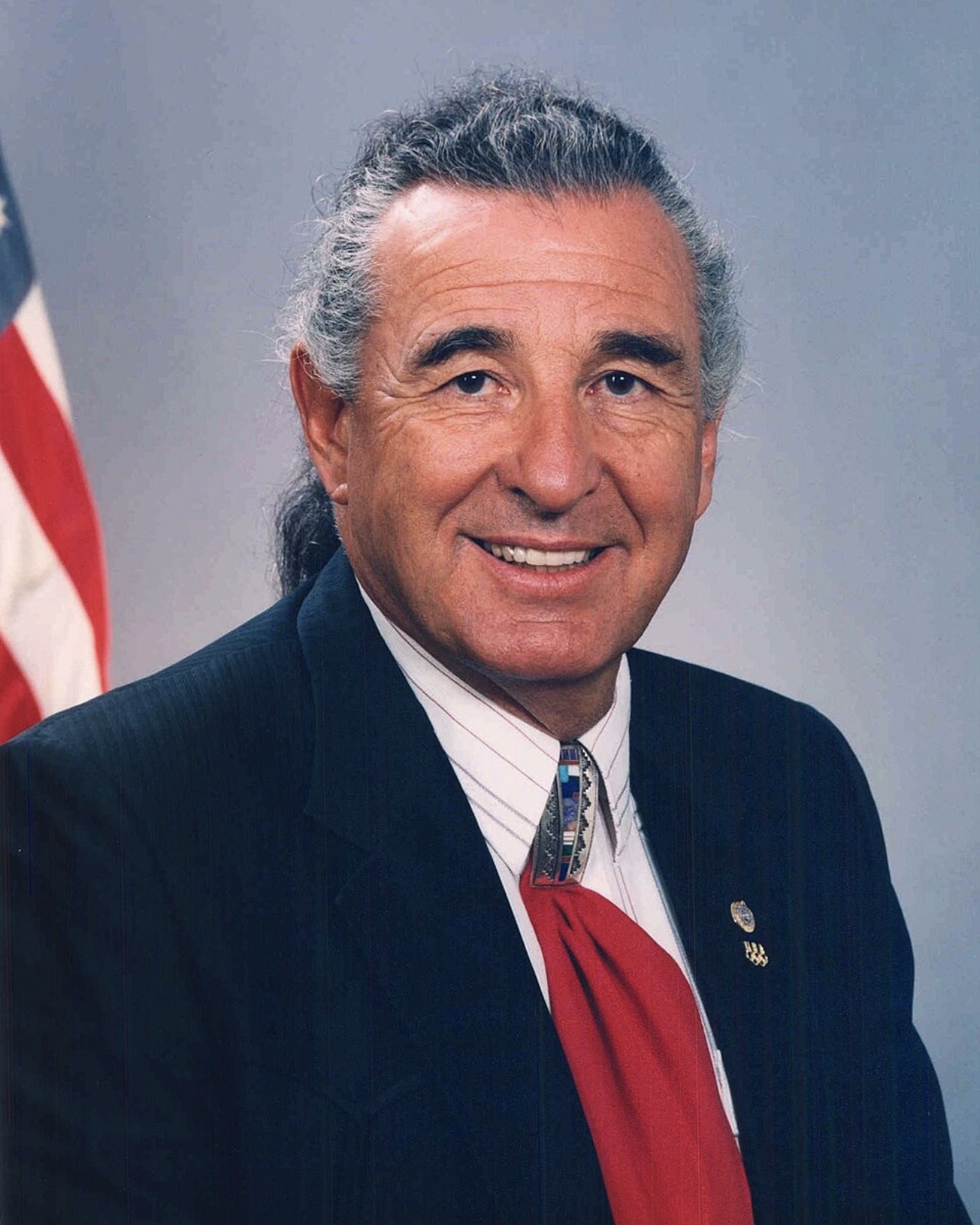
Ben Nighthorse Campbell, a trailblazing American politician and one of the most distinctive voices in modern U.S. politics, died on December 30, 2025, at the age of 92. Campbell passed away of natural causes, surrounded by family at his home in Colorado, his daughter Shanan Campbell confirmed to multiple news outlets. His death marks the passing of a statesman whose life spanned roles as an athlete, military veteran, jeweler, rancher, and legislator.See More…
Born on April 13, 1933, in Auburn, California, Campbell’s early life was shaped by a diverse heritage—his mother was a Portuguese immigrant and his father was of Northern Cheyenne descent. He served in the U.S. Air Force during the Korean War and pursued higher education at San Jose State University before training in judo in Tokyo, where he competed in the 1964 Olympics. These early chapters foreshadowed the resilience and varied interests that would define his later public life.
Campbell’s political career began in the Colorado Legislature before he was elected to the U.S. House of Representatives in 1986, where he served three terms. In 1992 he won election to the U.S. Senate, representing Colorado from 1993 to 2005. He initially served as a Democrat but made national headlines in 1995 when he switched to the Republican Party, a move that underscored his independent approach to governance. During his tenure, Campbell became the first Native American to chair the Senate Committee on Indian Affairs and was known for championing Native American causes as well as broader bipartisan efforts.
A defining part of Campbell’s legacy was his advocacy for Native American rights and cultural recognition. He was a key supporter of legislation that authorized the construction of the National Museum of the American Indian on the National Mall in Washington, D.C., helping to ensure that Indigenous voices and histories were more fully represented in the nation’s capital. Campbell also sponsored efforts to upgrade public lands and water resources, including legislation tied to Great Sand Dunes National Park in Colorado. His legislative accomplishments blended a respect for heritage with a commitment to public service.
Beyond politics, Campbell was renowned for his colorful personality and wide array of interests. He was a motorcycle enthusiast, a skilled jeweler whose work has been showcased in museums, and a rancher in southwestern Colorado. Tributes from leaders and organizations, including the National Congress of American Indians (NCAI), praised his role as a mentor, advocate, and trailblazer for Indigenous leaders across the United States. As the nation reflects on his life, Campbell is remembered for his singular path through American public life—a legacy of service, courage, and cultural pride.
Leave a Reply