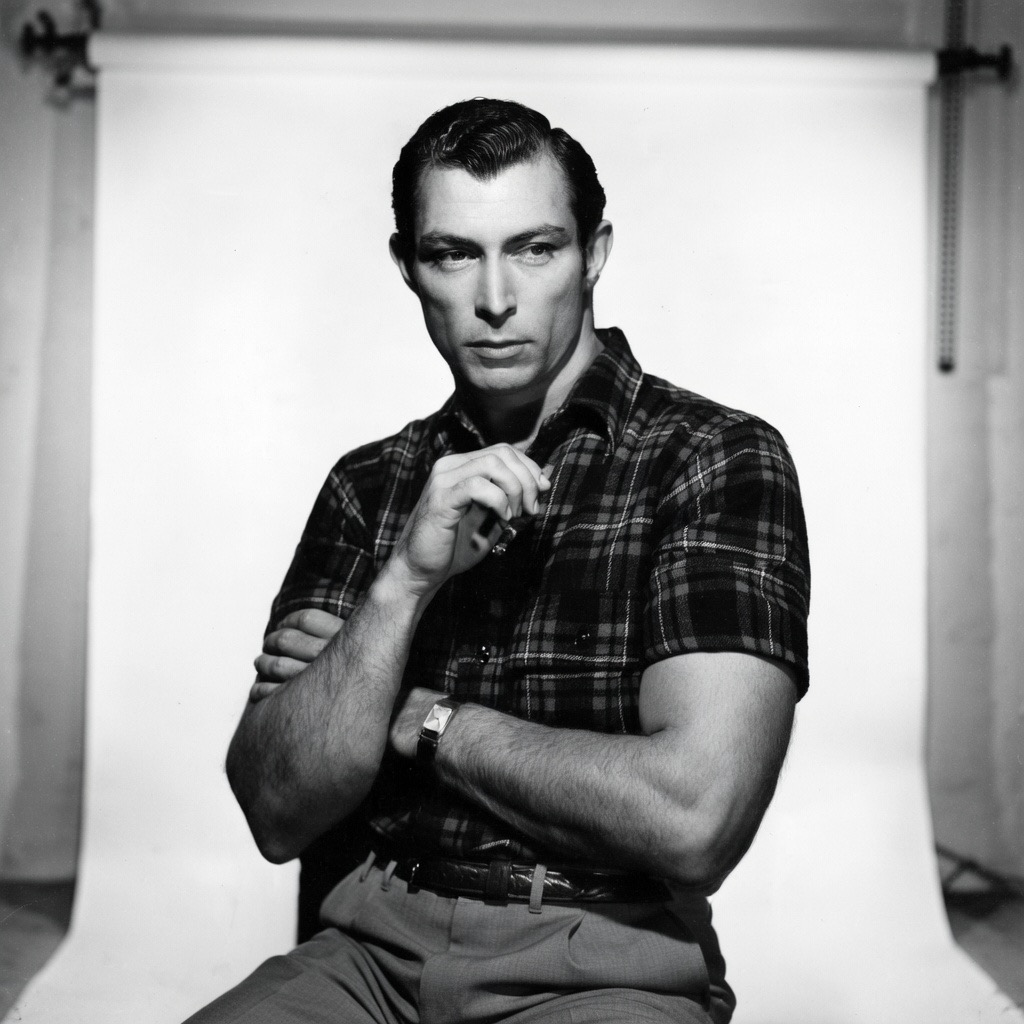
Lee Van Cleef was one of the most recognizable faces in classic Western cinema, known for his piercing eyes, sharp cheekbones, and naturally intimidating presence. Born on January 9, 1925, in Somerville, New Jersey, he grew up in a modest family and developed a strong sense of discipline early in life. Before becoming an actor, he served in the United States Navy during World War II, an experience that shaped his calm, tough demeanor.
After the war, Van Cleef began working various jobs before discovering his passion for acting. His unique appearance and intense stare quickly caught the attention of Hollywood casting directors. Unlike many traditional leading men of the era, his rugged and slightly sinister look made him perfect for villains and morally complex characters.
His film debut came in the legendary Western film High Noon in 1952. Even though his role was small and he barely spoke, audiences immediately noticed him. Directors realized he had a powerful screen presence that could command attention even without many lines.
Throughout the 1950s, Van Cleef appeared in numerous Westerns and television series. He often played gunslingers, outlaws, or cold-blooded antagonists. Shows like The Lone Ranger and Gunsmoke helped build his reputation as one of Hollywood’s most convincing Western villains.
A serious car accident in the late 1950s nearly ended his career. Doctors even suggested he might never ride a horse again, which would have been devastating for a Western actor. For a time, he struggled to find roles and considered leaving acting altogether.
His career dramatically revived in the 1960s when Italian director Sergio Leone cast him in the film For a Few Dollars More. The movie became a massive international success and introduced Van Cleef to a new generation of audiences around the world.
He later appeared in the legendary film The Good, the Bad and the Ugly, where his portrayal of the ruthless Angel Eyes became one of the most memorable villains in cinema history. His icy stare and controlled performance helped define the style of the famous “Spaghetti Western” genre.
Unlike many actors who relied on dialogue, Van Cleef often conveyed emotion through silence. A simple glance or slow movement could communicate danger, intelligence, or menace. This subtle acting style made his characters feel authentic and unpredictable.
Outside of Westerns, he also appeared in action films, war movies, and television series during the 1970s and 1980s. Even as he aged, he maintained the same intense presence that had made him famous decades earlier.
Lee Van Cleef passed away on December 16, 1989, but his legacy remains strong among fans of classic cinema. Today, he is remembered as one of the most iconic figures of Western film history, a man whose face alone could tell an entire story before he even spoke a word.
Leave a Reply