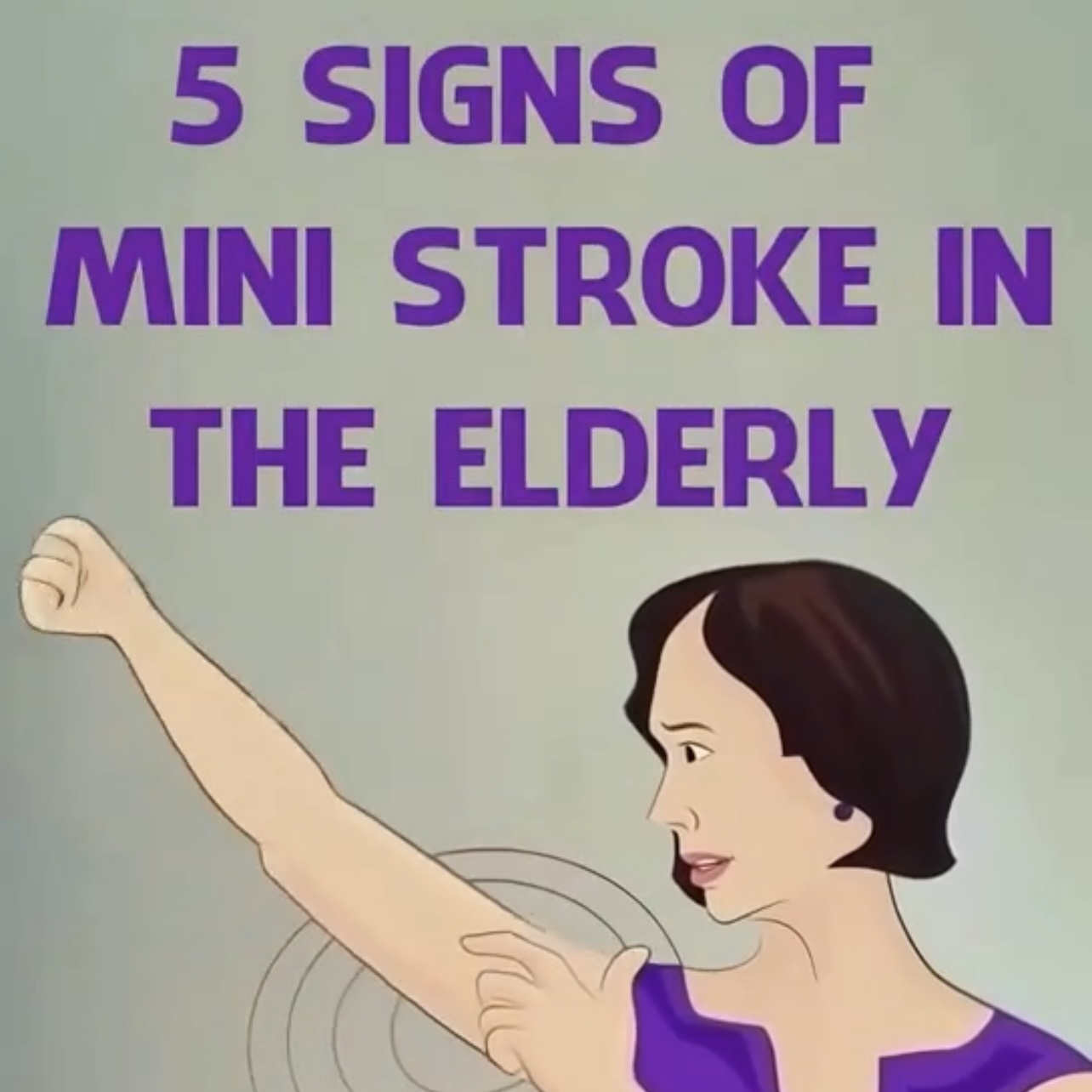
A mini stroke — also known as a Transient Ischemic Attack (TIA) — is a medical warning that should never be ignored. Although its symptoms may last only a few minutes, a mini stroke signals a high risk of a major stroke in the days or weeks that follow. Doctors emphasize that recognizing the early signs can be lifesaving, especially in older adults.
Below are 7 key warning signs every family should watch for:
1️⃣ Sudden Weakness or Numbness on One Side of the Body
If an elderly person suddenly loses strength in their arm, leg, or face — especially on one side — it may indicate that blood flow to part of the brain has been briefly blocked.
⸻
2️⃣ Difficulty Speaking or Understanding Speech
Slurred words, confusion, or inability to express simple sentences is one of the most common red flags of a mini stroke.
⸻
3️⃣ Sudden Vision Problems
Blurred vision, double vision, or loss of vision in one or both eyes can happen suddenly and should be taken seriously.
⸻
4️⃣ Dizziness, Loss of Balance, or Trouble Walking
A TIA can cause unexplained dizziness or a sudden inability to maintain balance. Many people describe it as feeling “drunk” or extremely unstable for a few moments.
⸻
5️⃣ Severe, Unexplained Headache
Some mini strokes trigger a strong headache that appears out of nowhere — even without a history of migraines.
⸻
6️⃣ Confusion or Memory Problems
Short episodes of disorientation, forgetting where they are, or difficulty focusing may indicate a temporary interruption of brain function.
⸻
7️⃣ Numbness or Tingling in the Face or Limbs
A sudden tingling sensation, especially if paired with weakness or heaviness, is a common symptom of a mini stroke.
⸻
Why This Matters
A mini stroke is a warning shot. Nearly 1 in 3 people who experience a TIA will later suffer a major stroke if they do not receive medical evaluation and treatment.
Doctors recommend that families seek emergency help immediately, even if symptoms disappear within minutes. Early detection can prevent permanent brain damage — or even save a life.
Leave a Reply