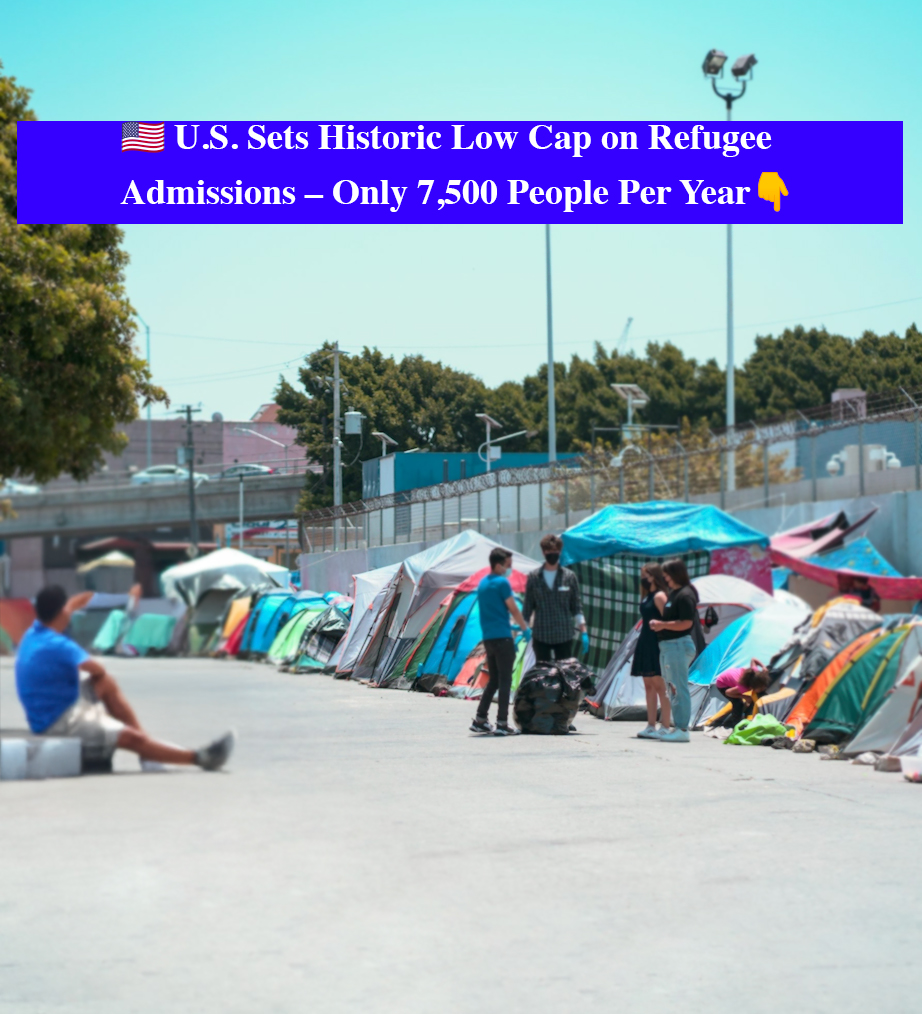
A major shift in U.S. humanitarian policy sparks strong reactions both domestically and internationally.
The U.S. administration has officially announced that during fiscal year 2026, it will admit only 7,500 refugees, marking the lowest refugee cap in more than four decades. This decision represents a significant change in U.S. immigration and asylum policy, as the country has historically been one of the world’s leading destinations for refugees
According to government documents, the decision is justified by “national interest” and the “need for stronger border control.” The administration argues that the limit will help improve security systems, reduce abuse of humanitarian programs, and focus resources on the most vulnerable groups
However, the most controversial aspect of this plan is the priority given to certain refugee communities, including a significant number of people from South Africa, which has raised accusations of selective and discriminatory practices
Humanitarian organizations such as Global Refuge and Human Rights Watch have strongly condemned the policy, calling it “a severe blow to America’s long-standing tradition of welcoming and supporting people in need.” According to them, the new cap endangers thousands of lives fleeing war, persecution, or natural disasters and damages the U.S.’s reputation as a defender of human rights
Political experts say this decision is part of a broader strategy to reduce legal immigration overall and strengthen national security policies ahead of upcoming presidential elections. In previous years, the U.S. admitted an average of 80,000 to 100,000 refugees annually, meaning the current limit represents a reduction of more than 90% compared to previous administrations.
The decision has sparked major debate among the American public. Supporters view it as a necessary measure to better control borders and protect national security, while opponents see it as a step back from the values that have made the U.S. a symbol of hope for millions worldwide
n its official statement, the White House left open the possibility of revising the number if “international circumstances require it,” but provided no clear timeline for such a review
Leave a Reply