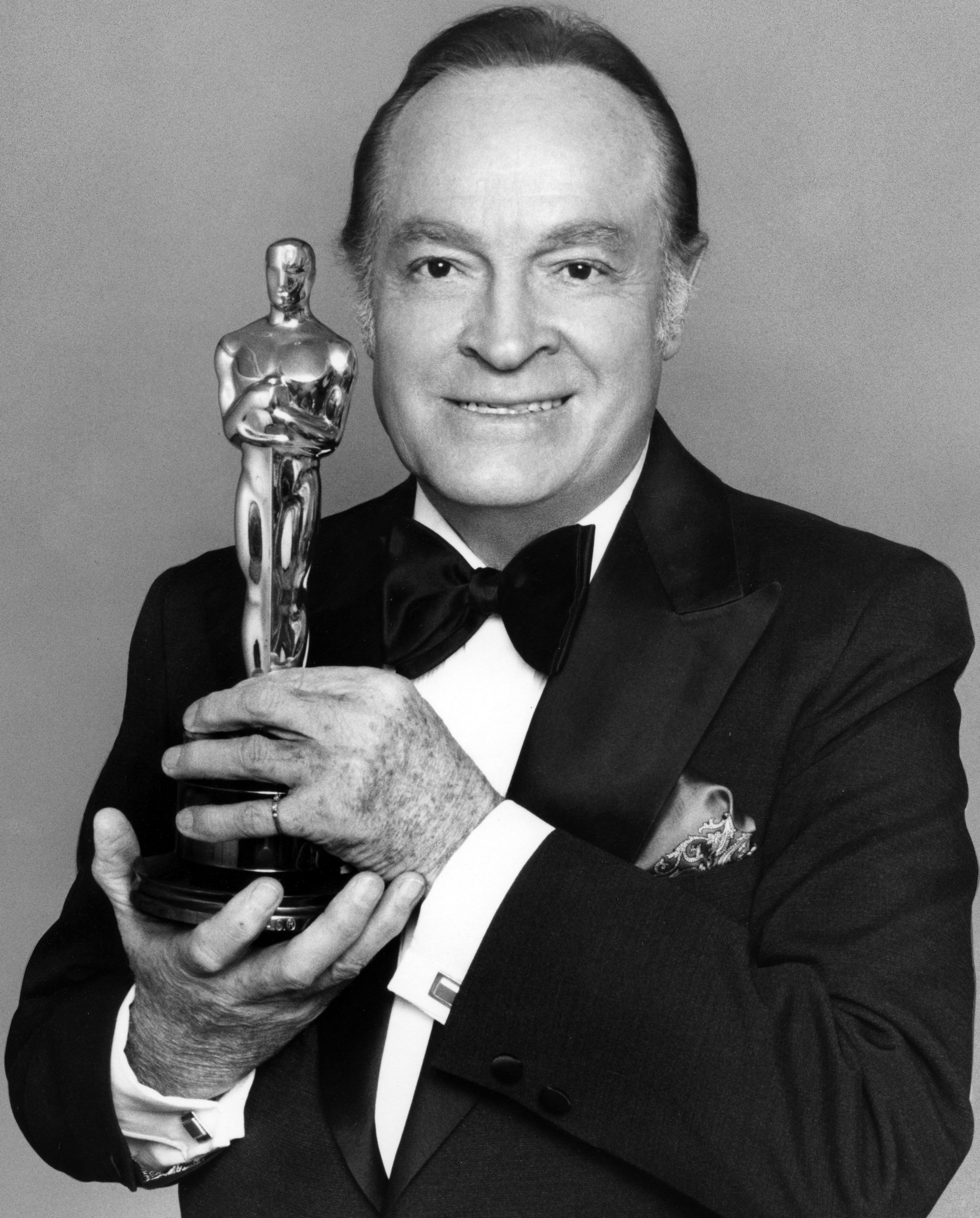
In an era when television was the heart of every home, one man managed to bring laughter, comfort, and hope into millions of living rooms across America. His presence on screen wasn’t just entertainment—it was a shared moment that families, friends, and even entire communities looked forward to every time he appeared.See more…
With a calm, clever, and effortless style of humor, he became one of the most beloved figures in American entertainment history. He didn’t rely on noise or controversy—just perfect timing, charm, and a natural ability to make people smile during even the hardest times.
That unforgettable legend was Bob Hope, a name that became synonymous with classic American comedy and timeless entertainment for decades.
Born in England and raised in the United States, Hope built his career through vaudeville, radio, film, and eventually television. He became one of the rare entertainers who successfully conquered every major platform in show business, maintaining a career that lasted more than 60 years.
What made him truly special was his deep connection with American troops. For decades, he traveled around the world—often into dangerous war zones—to perform live shows for soldiers, bringing laughter and morale to those far from home. This made him not only a comedian but also a national symbol of gratitude and respect.
His television specials, movies, and Christmas shows became a tradition for millions of families. For many older viewers, especially those over 60, he represents a golden era of entertainment when television brought everyone together at the same time.
Even though comedy has changed over the years, his influence remains deeply rooted in American entertainment. Many modern comedians still look back at his career as a foundation of classic stage presence and televised humor.
Bob Hope passed away in 2003, but his legacy continues to live on through generations who grew up laughing with him and remembering the warmth he brought into their homes.
Today, for millions of people, especially the older generation, his name is not just history—it’s a memory of a time when laughter was shared, television was simple, and every appearance felt like an event.
Leave a Reply