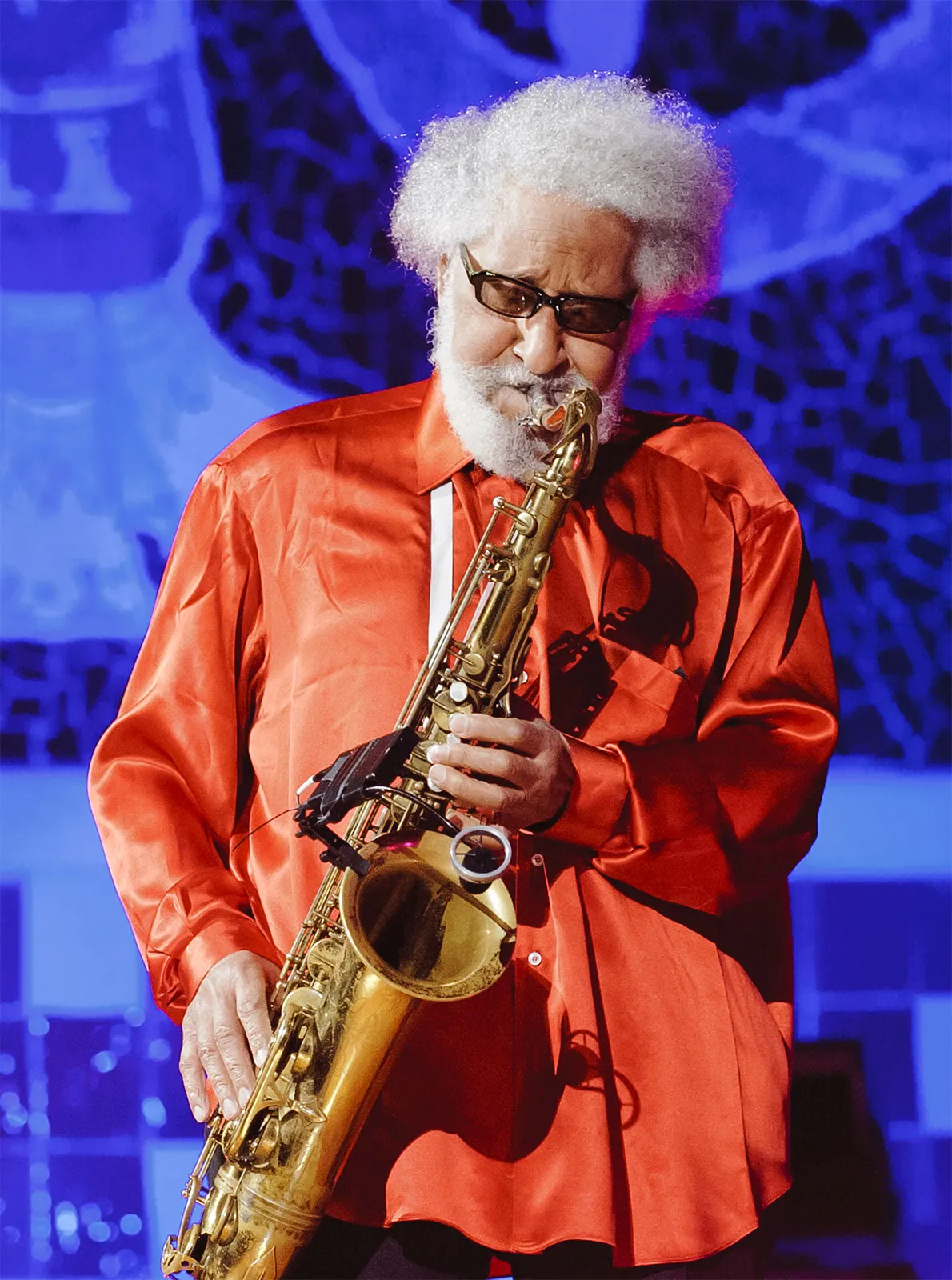
The global music world, and especially the jazz community, has been plunged into grief following the news of the passing of Sonny Rollins, one of the most distinguished pioneers in the history of this genre. His death at the age of 95 marks the end of an era, as he was considered a central figure in the development of modern jazz and an unforgettable inspiration for generations of musicians around the world. Critics have consistently described him as one of the greatest saxophonists of all time, an artist who elevated his instrument to almost mythical levels.See more…
His career, which spanned more than seven decades, was filled with unforgettable performances, musical experimentation, and collaborations with some of the most important names in the jazz scene. He was known for his pure improvisational ability, explosive stage energy, and an uncompromising musical style that always carried the mark of authenticity and passion. Over the years, he earned respect not only for his extraordinary technique but also for the way he pushed the boundaries of the genre, taking the art of improvisation into an entirely new dimension.
Throughout this long artistic journey, Sonny Rollins became a symbol of resilience, discipline, and boundless creativity. Often referred to as the “Saxophone Colossus,” he managed to create a musical identity that stood out among hundreds of other artists. His approach to music was deep and philosophical, focused on the search for artistic truth and the perfect sound. This devotion placed him on a pedestal that only a few musicians ever reach.
His early years were marked by a burst of talent and boldness, performing alongside giants such as Charlie Parker, Miles Davis, and John Coltrane. Although he grew up in a period of fierce competition and a rapidly evolving music scene filled with challenges, Rollins emerged as a unique voice, capable of breaking barriers and creating a style unlike anyone else. He was known for moments when he would completely leave the stage and retreat to bridges or isolated places, where he would improvise alone for hours as a form of self-perfection.
At the peak of his career, he composed some of the most important albums in jazz history, including “Saxophone Colossus,” “Way Out West,” and “The Bridge.” These works not only elevated his global reputation but also became essential material in jazz studies at universities and music schools, where generations of students analyzed his improvisations as models of artistic perfection.
Beyond his technical and creative abilities, Rollins was also admired for his modest, calm, and deeply reflective personality. He was known for his strong moral principles and often chose the difficult path rather than surrendering to industry pressures. Throughout his life, he withdrew from music several times to work on himself, reflect, and find new inspiration. These periods of isolation often resulted in triumphant returns and projects that left a lasting impact.
His influence on music goes far beyond what is heard in recordings, as Rollins inspired musicians not to avoid innovation and always to explore new sonic territories. Many well-known saxophonists cite him as the main reason they began playing the instrument, calling him a silent teacher through his sound.
He spent the final years of his life away from the stage, as health issues prevented him from performing. However, he remained present in the music community through interviews, reflections on art, and his continued contribution to preserving the history of jazz. Even in old age, he remained an inspiring figure, with wisdom and experience that gave weight to every word he spoke.
His death has deeply affected fans, musicians, and critics around the world, who remember him as an artist who gave life, soul, and a new dimension to jazz. Tributes have flooded social media and music stages, where many musicians are dedicating special performances in his honor.
The legacy of Sonny Rollins lives on in the music he left behind, in the interpretations that continue to be studied, and in the sound of the saxophone he transformed into pure art. Although he is no longer physically among us, his musical voice will continue to be heard for generations, remaining one of the strongest pillars of American jazz history.
In the end, his departure reminds us of the importance of artists who not only create art but transform it in irreversible ways. Sonny Rollins was one of them — a true giant, whose sound will continue to live beyond the boundaries of time.
Leave a Reply