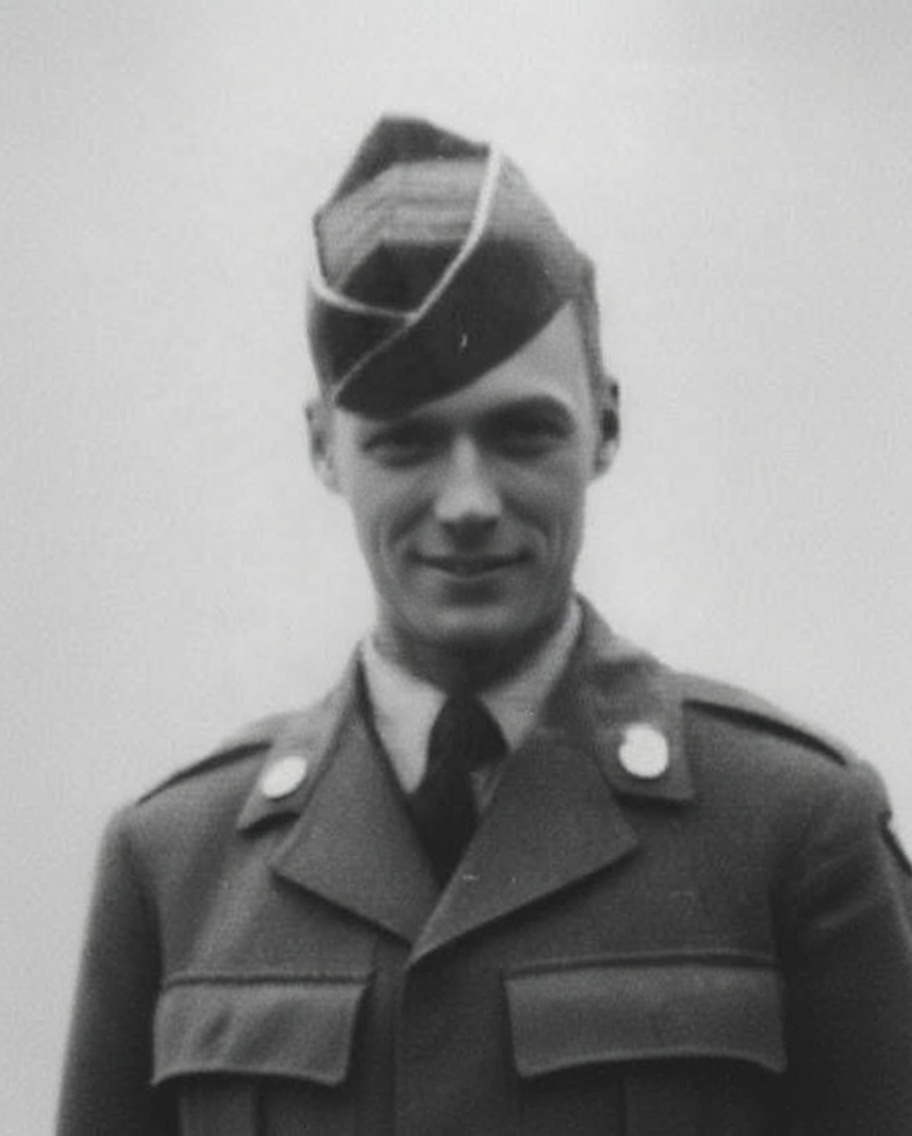
Today, Clint Eastwood is recognized globally as the ultimate symbol of American grit, a legendary Western actor and Oscar-winning director who conquered Hollywood with a squint and a cigarillo. He is the definition of cinematic tough guys. Yet, the unbreakable steel in his character wasn’t forged on a movie set, but rather in the dirt, poverty, and relentless instability of his early childhood.See More…
Born on May 31, 1930, in San Francisco, California, Clinton Eastwood Jr. entered a world that was rapidly collapsing. The Great Depression had just gripped the United States, turning the American Dream into a daily battle for survival. For the Eastwood family, there was no luxury, no safety net, and very little hope for a stable future.
Because his father was a transient worker who had to take any odd job available just to buy groceries, the family lived out of a truck. Clint’s earliest memories were not of a cozy bedroom, but of the moving scenery outside a car window. His parents constantly packed up their few belongings, migrating from town to town across the West Coast in search of work.
This nomadic lifestyle meant that Clint was always the “new kid” in school, a status that deeply affected his personality. He was a remarkably tall but incredibly shy, introverted boy who struggled to make friends because he knew he would be leaving them in a matter of months. Before he even reached high school, he had attended nearly a dozen different schools.
The constant moving took a massive toll on his education, and a young Clint frequently fell behind, struggling with his grades. He felt isolated from his peers and found solace in the quiet outdoors rather than the crowded classrooms. To avoid the pain of being rejected by classmates, he built a wall of quiet self-reliance around himself.
As a teenager, the pressure to help his family survive grew even heavier. There was no time for sports, parties, or standard teenage rebellion; Clint had to work. He took on brutal, backbreaking labor at a very young age, doing everything from baling hay on hot ranches to logging in the thick forests of the Pacific Northwest.
At one point, he worked as a furnace stoker, shoveling heavy coal into roaring fires for hours on end, inhaling thick black smoke just to earn a few cents. He also spent time as a forest firefighter, risking his life against raging wildfires. These grueling, dangerous jobs taught him the value of hard work and gave him the raw, physical stamina that would later define his movie roles.
Even when the family finally found some stability in Piedmont, California, the emotional scars of his transient childhood remained. Clint developed a deep desire to escape his reality, eventually finding a strange comfort in music and movies. However, he never once imagined that his own face would one day grace the silver screen.
In 1951, fate took a dramatic turn when he was drafted into the United States Army during the Korean War. He was stationed at Fort Ord in California, where he served as a swimming instructor. It was during this military service that a terrifying real-life event occurred: the military plane he was riding in ran out of fuel and crashed into the Pacific Ocean.
Clint and the pilot had to swim over two miles through treacherous, freezing, shark-infested waters to reach the shore. Escaping death by a hair, this harrowing experience solidified his belief that he could survive absolutely anything. It gave him the final boost of fearlessness he needed to finally try his luck in Los Angeles.
When he first arrived in Hollywood, directors initially rejected him, brutally telling him that his jaw was too prominent, he squinted too much, and he spoke far too slowly through his teeth. They wanted loud, expressive actors. They did not understand that Clint’s quiet, intense demeanor was the direct result of a lifetime spent keeping to himself.
Eventually, his rugged look and quiet intensity caught the eye of TV producers, landing him a role in the Western series *Rawhide*. From there, Italian director Sergio Leone cast him in *A Fistful of Dollars*, turning his childhood squint and slow, deliberate way of speaking into the iconic “Man with No Name”—the most famous cowboy in cinema history.
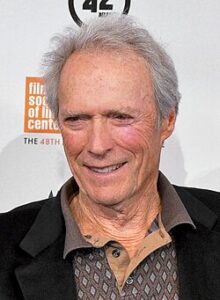
From a homeless truck during the Great Depression to winning multiple Academy Awards as a legendary director and actor, Clint Eastwood’s life is a testament to resilience. He survived the dust, the coal mines, and a plane crash in the ocean, proving that the toughest cowboys aren’t born in Hollywood—they are forged by the hardships of real life.
Leave a Reply