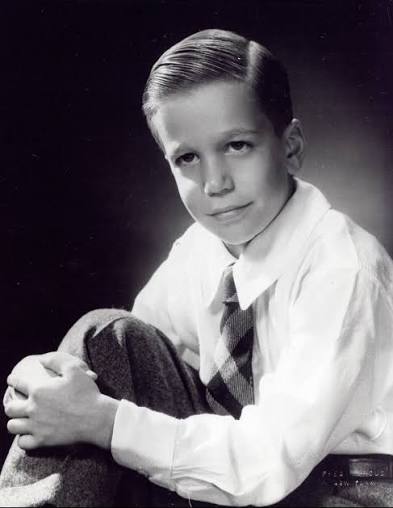
Henry Winkler was born in New York City in 1945 to a Jewish immigrant family that had escaped Nazi Germany. From a very young age, he felt different from other children, especially in school, where learning was a constant struggle.See More…
As a child, Winkler struggled severely with undiagnosed dyslexia. He often worked much harder than his classmates just to keep up, which made school a frustrating and emotionally difficult experience.
Teachers frequently misunderstood his difficulties, and he was sometimes labeled as lazy or not intelligent. In reality, he was dealing with a learning difference that had not yet been properly identified.
Despite these challenges, he developed a strong sense of humor early in life. Comedy became one of his coping mechanisms, helping him deal with embarrassment and academic pressure.
His parents valued education deeply and pushed him toward academic success, not fully understanding the extent of his learning struggles. This created additional emotional pressure during his childhood.
Winkler eventually attended Yale School of Drama, where he found an environment that allowed him to focus on performance rather than traditional academic testing. Acting became the place where he could finally excel.
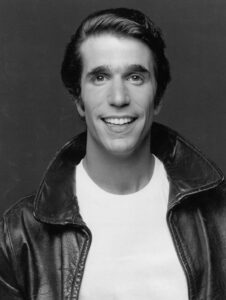
His breakthrough came in the 1970s with the role of “The Fonz” in the TV show Happy Days. The character became a cultural icon, making him one of the most recognizable faces in American television.
Even at the height of his fame, he still privately struggled with reading scripts and memorization due to dyslexia. He often relied on intense repetition and creative memory techniques to perform successfully.
For many years, he did not fully understand the cause of his learning difficulties. It was only later in life that he was officially diagnosed with dyslexia, which brought clarity and relief.
After gaining fame, Winkler became an advocate for children with learning disabilities. He worked to raise awareness that intelligence is not defined by reading or academic performance alone.
He also became a successful author of children’s books, co-writing stories that often reflect themes of perseverance, self-belief, and overcoming educational challenges.
Today, Henry Winkler is respected not only as a legendary actor but also as an inspiration for people with dyslexia worldwide, proving that early struggles do not define a person’s future success.
Leave a Reply