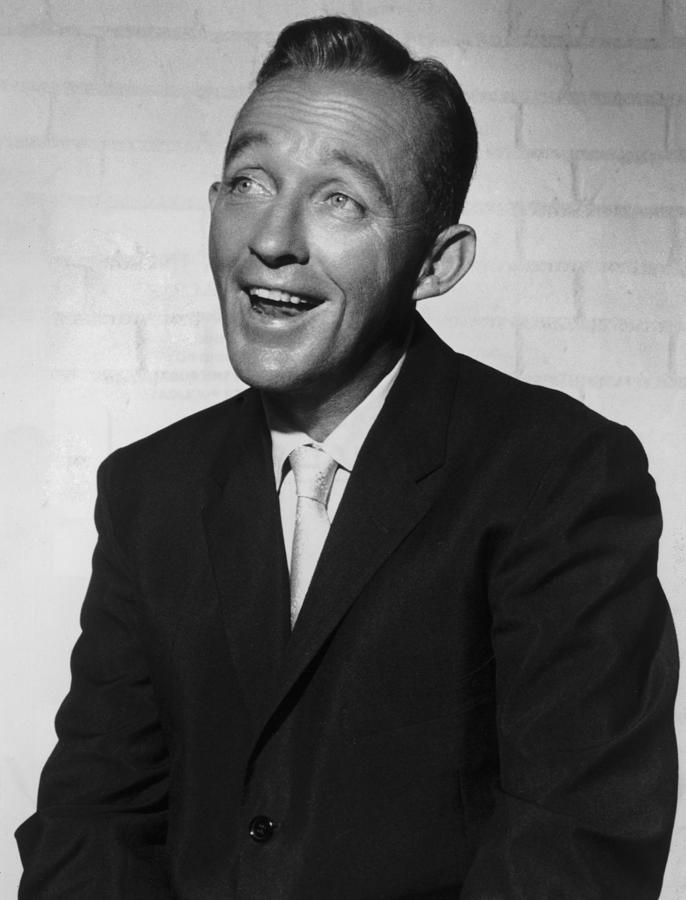
Bing Crosby was born on May 3, 1903, in Tacoma into a modest family with limited financial means but strong values of discipline, faith, and hard work. His early life was shaped by simplicity and struggle, which taught him from a young age that success would never come easily.See more…
As a child, he later grew up in Spokane, Washington, where life remained modest and often financially difficult. Despite these challenges, he developed a strong curiosity for music, radio, and performance, often imitating singers and voices he heard, slowly building the foundation of his unique vocal style.
In school, Crosby was not particularly focused on academics, but he showed natural talent for entertainment and creativity. His personality was relaxed yet determined, and he gradually became more drawn to music than traditional studies.
He briefly attended Gonzaga University, but did not complete his education. Instead, he made a life-changing decision to pursue music full-time, even though success in the entertainment industry was uncertain and highly competitive.
In his early career, Crosby faced rejection, financial instability, and constant struggle. He performed in small clubs and local bands, often earning very little money while trying to build a name for himself in a highly competitive music scene.
A major turning point came when he joined the Paul Whiteman Orchestra, one of the most popular musical groups of the era. This opportunity gave him exposure and allowed him to develop his signature vocal style.
Even after gaining some recognition, success was not immediate. He had to work tirelessly to stand out among many talented performers, constantly adapting and improving his musical approach.
In the 1930s, Crosby became a major breakthrough star, revolutionizing popular music with his smooth, relaxed singing style. Unlike many dramatic performers of the time, he introduced a natural and emotional way of singing that changed the industry forever.
His rise to fame brought massive success, with dozens of hit songs dominating radio and record sales. His voice became a source of comfort and hope for millions during the hardships of the Great Depression.
One of his most iconic achievements was the song “White Christmas,” which became one of the best-selling songs of all time and remains a global holiday classic to this day.
Beyond music, Crosby also built a successful acting career in Hollywood, starring in numerous musical films and comedies, where his charm and calm personality made him a favorite among audiences worldwide.
During World War II, his music and films played a significant role in boosting morale for soldiers and civilians. He became a symbol of hope, comfort, and emotional strength during one of the darkest periods in modern history.
Despite his calm and effortless public image, Crosby’s life behind the scenes was filled with intense pressure, long working hours, and the constant demands of fame at a global level.
In his later years, he continued performing, recording, and appearing on television, maintaining his reputation as one of the most respected figures in the entertainment industry.
On October 14, 1977, he passed away from a heart attack in Spain after playing golf, leaving behind a legendary legacy in music and film. His influence continues to shape modern music, and he remains one of the most important voices in entertainment history.
Leave a Reply