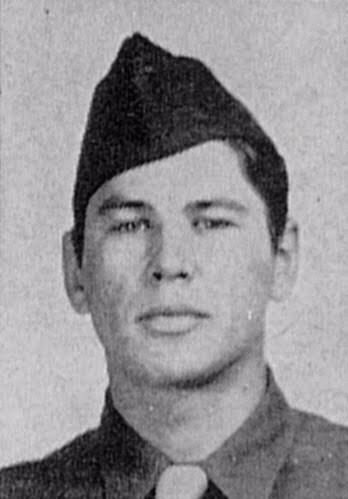
Long before Charles Bronson became one of Hollywood’s most recognizable tough guys, he was a poor boy growing up in a Pennsylvania coal-mining town, born Charles Dennis Buchinsky on November 3, 1921. He was one of 15 children in a Lithuanian-American family, and his childhood was shaped by poverty, hard work and the coal mines.See More…
His early years were a world away from the glamorous Hollywood life that would eventually come. Bronson worked in the coal mines before serving during World War II with the United States Army Air Forces. His wartime service earned him a Purple Heart, adding another extraordinary chapter to a life that had already begun under difficult circumstances.
After the war, Bronson found his way toward acting. His first years in Hollywood were anything but glamorous, as he was repeatedly cast in small supporting roles, often playing criminals, villains, soldiers and intimidating figures. He spent years working in the background before audiences began to recognize the distinctive face and quiet intensity that would eventually become his trademark.
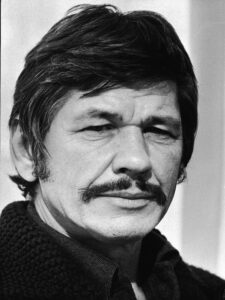
His breakthrough came gradually, with memorable appearances in major productions such as The Magnificent Seven and The Great Escape. Rather than looking like the polished leading men Hollywood traditionally promoted, Bronson had a rugged appearance that made him seem as though he had actually lived through the hardships his characters endured. That authenticity became one of his greatest assets.
During the 1960s and early 1970s, his international reputation exploded. Films including The Dirty Dozen, Once Upon a Time in the West and The Mechanic helped establish him as a major action star. By the height of his fame, Bronson had become one of the biggest box-office attractions in the world.
Then came the role that permanently changed the way audiences viewed him. In 1974, Bronson starred as Paul Kersey in Death Wish, playing an ordinary architect who turns into a vigilante after a devastating personal tragedy. The film became a major commercial success and transformed Bronson into an international symbol of the revenge-action genre.
Yet the man behind that intimidating screen image was considerably more private than many people realized. Bronson was known for avoiding Hollywood social life and protecting his personal space. He rarely volunteered much about himself in interviews, and he was often described as shy, reserved and uncomfortable with the level of attention that came with fame.
His private life was also marked by deep family commitments. His first marriage, to Harriet Tendler, produced two children and ended in divorce in 1965. In 1968, he married British actress Jill Ireland, who became both his wife and frequent screen partner. The couple eventually appeared together in numerous films and built a large blended family.
The relationship with Jill Ireland became one of the most important chapters of Bronson’s life. Their family included children from their previous marriages as well as children they raised together, and they often tried to keep the family close while Bronson was working on films.
But tragedy struck when Jill Ireland was diagnosed with breast cancer. Bronson remained devoted to her during her illness, and she died on May 18, 1990, at the age of 54. Her death deeply affected him, and the loss became one of the defining personal tragedies of his later life.
Perhaps the biggest “secret” behind Charles Bronson was that the intimidating man audiences saw on screen was not simply a Hollywood invention. His personality, appearance and life experience all contributed to the authenticity of his tough-guy image. Coming from a mining family, working physically demanding jobs, serving in wartime and spending years struggling for recognition gave him an unusual credibility when he played men who survived through strength and determination.
Away from the cameras, however, Bronson had interests that revealed a much quieter side. He enjoyed painting, motorcycles, fishing and spending time away from Hollywood. He maintained a large Vermont property where his family could escape the spotlight, and he was known for valuing privacy far more than celebrity parties and public attention.
Bronson married actress Kim Weeks in 1998, several years after Ireland’s death, and remained with her until his own death on August 30, 2003, in Los Angeles, at the age of 81. His death came after serious health problems, bringing an end to the life of an actor who had spent decades portraying men who seemed almost impossible to break.
Today, Charles Bronson remains remembered not only for Death Wish, The Mechanic, The Great Escape and The Magnificent Seven, but for the extraordinary journey behind the famous face. He went from poverty and coal mining to international stardom without ever fully embracing the Hollywood lifestyle. Perhaps that is the most interesting part of his story: behind one of cinema’s toughest faces was a remarkably private man who spent much of his life trying to keep the people and places he loved away from the spotlight.
Leave a Reply