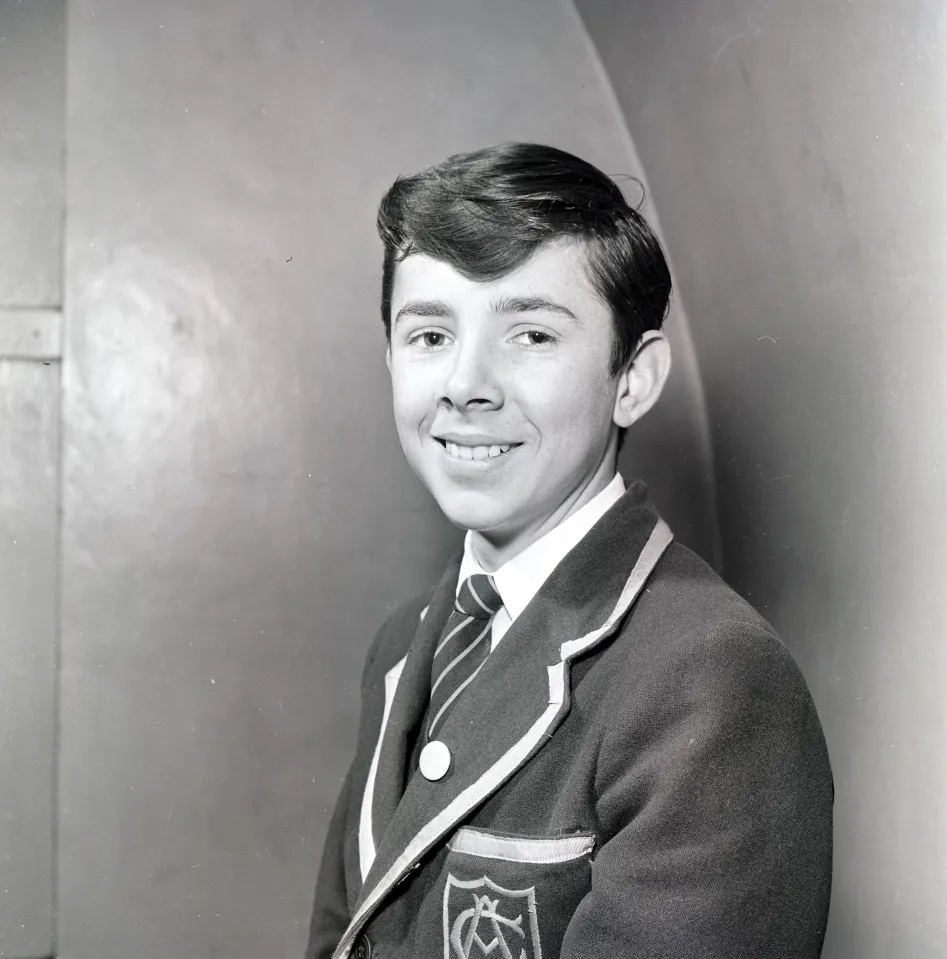
The story of Richard O’Sullivan, the actor who won the hearts of millions of British television viewers.See more…
Richard O’Sullivan was one of Britain’s most beloved comedy actors, remembered for his smile, humor, and charming characters. For many viewers, he became a familiar face on television during the 1970s and 1980s, but his journey to fame had begun long before that.
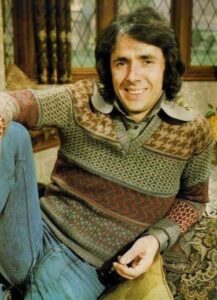
Richard Thomas O’Sullivan was born on May 7, 1944, in Chiswick, London, England. From childhood, he was drawn to the world of acting and began building a career that would span several decades.
What makes his story remarkable is that Richard did not wait until adulthood to become an actor. He appeared on screen when he was just eight years old, entering an industry that many children could only dream of joining.
His first film appearance was in The Yellow Balloon, a British film released in 1953. Although his role was small, the experience marked the beginning of an extraordinary journey in entertainment.
Throughout his childhood, he continued taking roles in different films. His early experience in front of the cameras helped him develop confidence and acting skills that would later distinguish him on television.
In 1954, he appeared in The Stranger’s Hand, performing alongside established actors. It was another important step in his early career and showed that he could handle more substantial roles than those of a child in the background.
Another major moment came in 1963, when Richard played Ptolemy XIII in the historical epic Cleopatra, starring Elizabeth Taylor and Richard Burton. For an actor who had started as a child, being part of such a major production was a remarkable experience.
However, his greatest success would come through television comedy. Richard had a natural acting style, an easy sense of humor, and a special ability to make audiences feel comfortable whenever he appeared on screen.
During the 1970s, he became especially famous for playing Robin Tripp in the sitcom Man About the House. The story followed a young man sharing a London apartment with two young women, creating plenty of comic situations and turning the show into a popular television production of its era.
Robin was charming, slightly mischievous, and frequently found himself in awkward situations. Richard played the character so naturally that many viewers came to associate his face permanently with the role.
The show’s popularity led to a spin-off called Robin’s Nest, which aired from 1977 to 1981. This time, audiences continued following Robin’s life as he navigated relationships, responsibilities, and the new challenges of adulthood.
But Richard did not want to be remembered only for sitcoms. From 1979 to 1982, he played the title character in the historical adventure series Dick Turpin. The role gave him an opportunity to showcase another side of his talent through adventure, action, and humor.
During the 1980s, he continued his television success with Me and My Girl, playing Simon Harrap, a widowed advertising executive trying to balance family life with everyday challenges. The series ran from 1984 to 1988, keeping Richard on television for another generation of viewers.
Despite his fame, Richard’s life was not always easy. Over the years, he experienced health problems that affected his career. After suffering a stroke in 2003, he stepped away from public life and spent his later years at an actors’ retirement home in Twickenham, England.
On September 4, 2026, Richard O’Sullivan passed away at the age of 82. The news saddened those who had followed his career for decades and remembered him as an actor with a distinctive sense of humor, remarkable energy, and an unforgettable screen presence.
Today, his legacy lives on through the television shows and films he left behind. But perhaps the most remarkable detail of his story is this: the little boy who began acting at just eight years old grew up to become one of the most recognizable faces in British comedy. And whenever viewers return to Man About the House or Robin’s Nest, his smile returns with them, bringing back memories of an entire era of television.
Leave a Reply