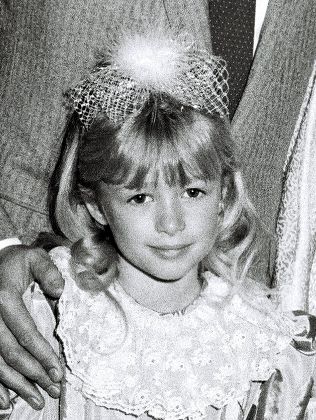
Long before she became one of the most recognizable women in the world, this blonde socialite was living a life far more complicated than the glamorous image she showed the public. Behind the designer outfits, luxury parties, and flashing cameras was a young girl whose teenage years would leave a lasting mark on her life.See More…
Born into the wealthy Hilton family, she grew up surrounded by privilege and opportunities that most people could only dream of. Her family name opened doors, but it could not protect her from every personal struggle she would eventually face.
As a teenager, she became increasingly interested in music, fashion, nightlife, and the freedom to make her own decisions. However, her parents were concerned about her behavior and decided that a much stricter environment was necessary.
At just 17, she was sent to boarding schools and programs intended to change her behavior. What followed would become one of the most controversial chapters of her life, one she would speak about more openly many years later.
Paris has described experiencing harsh treatment and emotional distress while attending these programs. In later interviews and documentaries, she alleged that staff members subjected her to abusive practices, leaving her with painful memories that she carried into adulthood.
One of the most unsettling aspects of her accounts was the strict control over everyday life. She described an environment where ordinary freedoms were restricted, including access to entertainment and communication with the outside world.
Music, television, and conversations about life beyond the institution were among the subjects she has said were restricted in certain settings. For a teenager who dreamed of building a life in entertainment, such limitations made the experience particularly difficult.
Her story eventually became part of a wider discussion about the troubled teen industry, where some residential programs have faced serious allegations involving mistreatment, isolation, and questionable disciplinary methods.
For years, the public mostly knew Paris as a party-loving heiress who appeared to have everything. Her carefully recognizable voice, glamorous appearance, and famous catchphrases became a major part of her celebrity identity.
But there was much more to her story than the tabloid headlines suggested. In 2020, she released the documentary This Is Paris, in which she discussed her experiences at boarding schools and described the emotional impact they had on her life.
The documentary changed how many people viewed her. Instead of seeing only a wealthy celebrity, audiences heard her speak about painful experiences, vulnerability, and the reasons she had kept parts of her past private for so long.
Rather than allowing those experiences to define her future, Paris continued building her career. She expanded into business, music, DJ performances, television, and beauty products, establishing a commercial identity beyond her famous surname.

She also became an advocate for stronger oversight of residential programs for troubled teenagers, using her public platform to call attention to alleged abuses and support legislative efforts aimed at protecting young people.
Today, Paris Hilton remains a familiar figure in popular culture, but her legacy is more complicated than the glamorous image that first made her famous. Her story is a reminder that wealth and fame do not necessarily reveal what someone has experienced privately—and that speaking openly about a painful past can help bring attention to problems that might otherwise remain hidden.
Leave a Reply