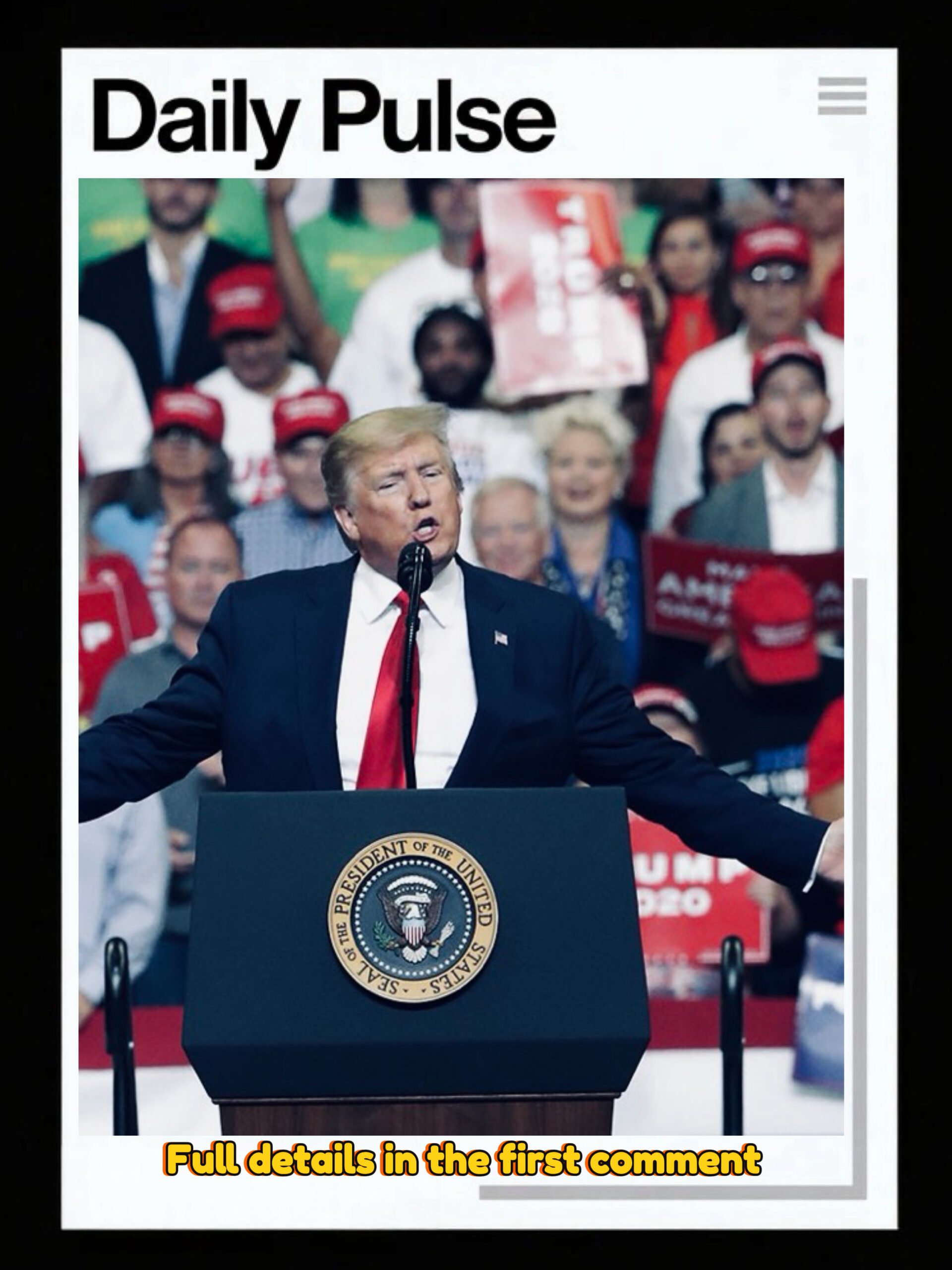
Trump has proposed multiple strategies to reduce the cost of living for Americans. Among them are targeted tax cuts for middle- and low-income households, aiming to increase disposable income directly. He has also emphasized support for small businesses, arguing that reducing regulatory burdens and offering subsidies will lower production costs, which could translate into lower consumer prices. Additionally, the former president has promoted policies to stabilize energy costs, including increased domestic oil and gas production, as well as easing restrictions on utilities to prevent sudden spikes in electricity and heating prices. He also supports revisiting trade agreements to reduce tariffs on imported goods, particularly on everyday consumer items like food and household products, which he claims will lower retail prices.See more…
However, experts caution that such measures may have limited impact. Economists warn that while tax cuts increase household income, they do not automatically reduce retail prices. Similarly, deregulation and subsidies can sometimes favor larger corporations rather than small businesses, potentially leaving prices unchanged for ordinary consumers. Energy market fluctuations, geopolitical risks, and global supply chain disruptions remain unpredictable factors that can keep costs high despite domestic measures. Trade adjustments, like tariff reductions, may provide short-term relief, but long-term price stability requires broader economic reforms and coordinated policy efforts across multiple sectors. Overall, while Trump’s proposals aim to make life more affordable, analysts emphasize that achieving measurable decreases in prices is complex and may not benefit all Americans equally.
Leave a Reply